Can pork be pink when fully cooked?
 James Olson
 updates
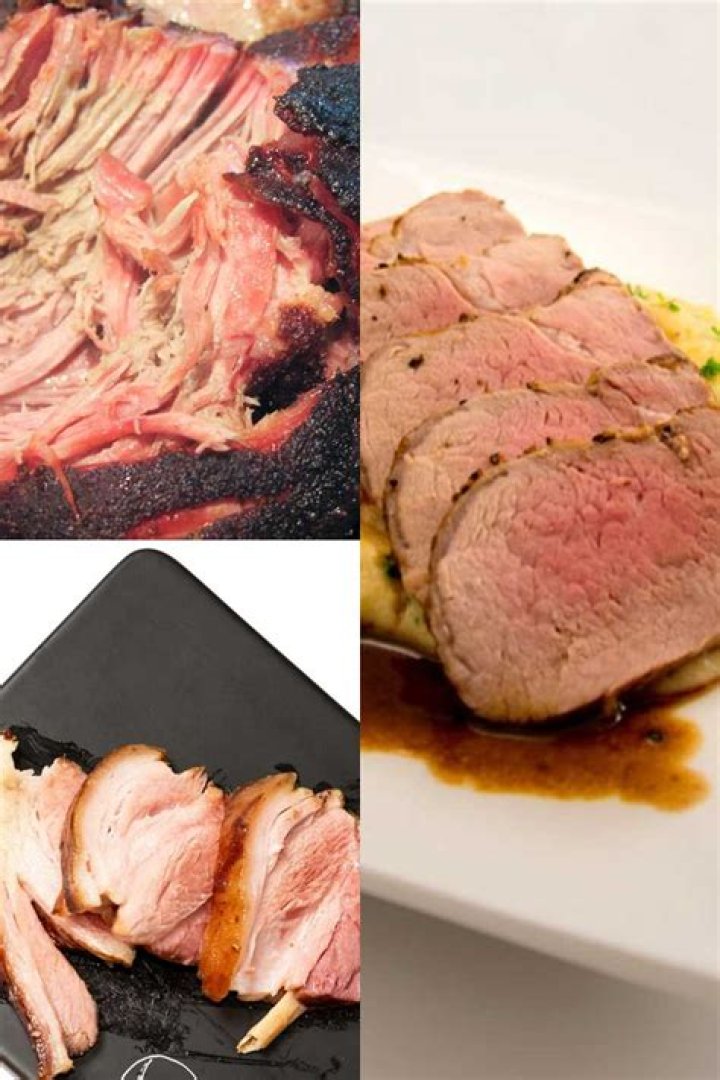
At 145°F some of the pork in larger cuts can still be pink and the juices might have a pink tinge to them, but the meat is fully cooked and safe to eat. Larger pork chops can have a pink tinge to them even if fully cooked.
Can cooked pork be pink?
The USDA said its Food Safety and Inspection Service found that cooking pork to a temperature of 145 degrees and letting it rest for three minutes is just as safe as cooking it to a higher temperature. The change means that a cut of pork may still look pink when it reaches 145 degrees and that, says the USDA, is OK.Can pork be pink in the middle?
That color doesn't indicate anything nefarious—at 145°F, your pork is at a “medium rare” temperature. You would expect to see some pink in a medium-rare steak, so don't be surprised to find it in your pork chops! If the pink color freaks you out, you can continue cooking it until it reaches 155°F.Why is pork pink after cooking?
These same nitrates can bind to proteins in meat, preventing them from releasing oxygen molecules as they normally would during the cooking process. As a result, the proteins remain oxygenized and maintain a red or pink color even when the meat is fully cooked.How do you tell if pork is cooked fully?
The safe internal pork cooking temperature for fresh cuts is 145° F. To check doneness properly, use a digital cooking thermometer. Fresh cut muscle meats such as pork chops, pork roasts, pork loin, and tenderloin should measure 145° F, ensuring the maximum amount of flavor.PINK PORK Experiment - Is Pink Pork GOOD!?
What happens if you eat pink pork?
What happens if I eat undercooked pork? Eating undercooked pork can result in illness, such as food poisoning or trichinosis. Pork products that contain both meat and fatty byproducts (bacon, shoulder butt roasts) are the most likely to be infected with trichinae. Eating undercooked pork can cause food poisoning.Can pork be a little bloody?
Is eating rare pork safe? Unlike steak, which can be eaten without being fully brown on the inside, pork that's bloody (or rare) on the inside should not be consumed. This is because pork meat, which comes from pigs, is prone to certain bacteria and parasites that are killed in the cooking process.What happens if you eat slightly undercooked pork?
Raw meat can carry bacteria which cause food poisoning and, accordingly, eating undercooked pork or chicken may result in food poisoning. If you experience symptoms such as stomach pain, diarrhea, and fever after eating undercooked meat, seek a diagnosis from a medical institution immediately.How does pork look when cooked?
Color-wise, the slogan worked because pork cooked to 160 degrees is a pale, languid white-gray color. In contrast, pork cooked to 145 degrees remains decidedly pink. It's not "bloody" like rare-cooked beef but still, the pork's color can be described only as pink-pink-pink.Can pork be medium rare?
It's perfectly fine to cook pork to medium, or even medium rare if you so choose.Can you eat pork rare?
Rare pork is undercooked. Both uncooked or raw pork and undercooked pork are unsafe to eat. Meat sometimes has bacteria and parasites that can make you sick. Thorough cooking kills any germs that might be present.Can you eat pork tenderloin pink?
Can Pork Tenderloin Be Pink and Still Be Safe to Eat? In a word, yes. The pink color doesn't mean that the meat is undercooked. In fact, when pork is cooked to the recommended internal temperature of 145 degrees Fahrenheit, it's normal to see pink in the center.Is pork supposed to be white all the way through?
The dry, mild flavor that often accompanies pork is due to cooking beyond 160°F (71°C). But pork must have a white (not pink) color to be safe, right? Many cookbooks say the juices have to run clear to prevent food-borne illness. However, product and juice color are poor indicators of the safety of cooked pork.Are pork chops pink when cooked?
No, you won't get salmonellaThe meat will look significantly pinker than when cooked to 160 degrees, the previous USDA recommendation and the recommended temperature for ground pork (and other types of ground meat).