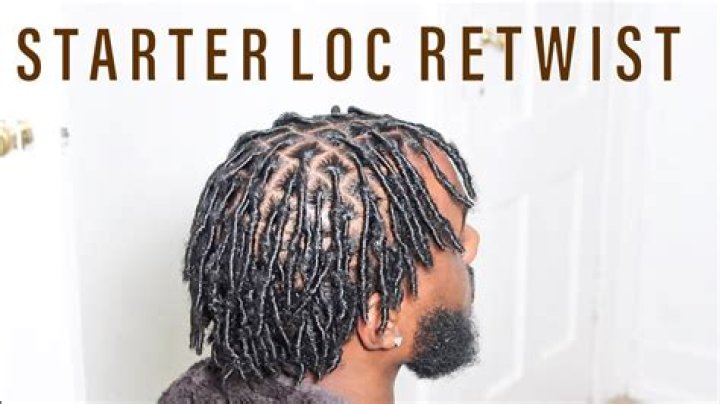
Do I have to Retwist my starter locs?
 James Olson
 updates
Retwist frequency depends on whether you are in the starter loc phase or you have mature locs. It also depends on the type of locs you have, your hair type and your retwist method. Starter locs should be washed monthly or no more than every six week. If you interlock, you can go as long as eight weeks between retwists.
What happens if you don't Retwist your locs?
Usually, with soft, curly or fine textures of hair, not retwisting your locs is damaging. One of the biggest problems you'll encounter if your texture is not able to semi-freeform is your hair growing away from your locs. As the hair grows away from the locs, you will experience thinning and sometimes breakage.How long after starter locs can you Retwist?
In the early months of the locking process, it is important to cultivate or retwist the hair once a month, regardless of the sizing you want the locs to ultimately be. For me, even though I'm aiming for thick locs, I still have been retwisting my locs about every 4-5 weeks.How do you maintain starter locs?
As you begin your starter loc journey consider these five tips.
- Allow it to grow with little to no manipulation. ...
- Limit hair products. ...
- Use natural oils. ...
- Pay attention to the frequency of wash days. ...
- Say no to deep conditioning.
How long is the starter LOC phase?
In the locs process, the Starter Stage (also known as the Baby Stage) lasts roughly for three to six months. But how long this stage lasts depends on a couple things, such as your hair type and how fast your hair grows.HOW OFTEN SHOULD YOU RETWIST LOCS IN THE BEGINNING? STARTER LOCS Q&A
Can I touch my starter locs?
1. Let It Grow – Starter locs have been manipulated in a way to keep the form. In order to maintain the formation of your starter locs, you must refrain from constantly touching them and allowing them to grow freely.Should you keep starter locs covered?
Covering up your starter locs while you shower will one, serve as a reminder not to wash your hair, and secondly, prevent your locs from getting wet. Covering your locs before bed will prevent any dirt or lint from getting into your hair, and will also remind you not to twist or manipulate your hair.Do starter locs get thicker?
When you leave your hair alone, your locs are able to flourish and thicken up because they're not constantly “made” into condensed retwisted or interlocked bundles. The ideal timeframe for a retwist is between 4-6 weeks— no earlier!How long can you go without a Retwist?
It's hard for us to tell you how long your retwist should last without knowing what loc phase you're in at the moment, the style and texture of your hair, and your daily habits and lifestyle. That being said, a typical retwist should/could last anywhere from 4-6 weeks.How soon can I wash starter locs?
If you're just getting started with the baby stage, you should wait around 4-6 weeks before carefully washing your hair. You can go even longer than that if you feel you need to, but don't go longer than 3 months.Does parting starting locs matter?
Your Parting Pattern MattersSome people with thinner hair go for diamond parts because it can give the appearance of having a fuller head of locs. Section size also influences the size of your locs.
How often should you oil your locs?
There is no need to introduce moisture to your locs every single day, especially if your hair doesn't need it. You should only do it on a need-to basis, meaning when they start to feel dry or brittle. You also need to use the right product.Should I interlock my starter locs?
Some prefer interlocking as their loc method, especially when they want to skip the early phases of locs. This method is best for finer textured hair, it can handle more washing without unraveling the locs and requires less maintenance, less often.What can I do with starter locs?
Here are the most popular ways to start your locs:
- Two-Strand Twists. If your hair is at least 2 inches long, you can start locs with two-strand twists. ...
- Comb Coils. ...
- Braids. ...
- Backcombing. ...
- Loc Extensions. ...
- Deep Conditioning. ...
- Limit the Hair Products. ...
- Don't Manipulate Your Locs.