What is the most common early symptom of COPD?
 Matthew Sanders
 How do I know if I have the start of COPD?
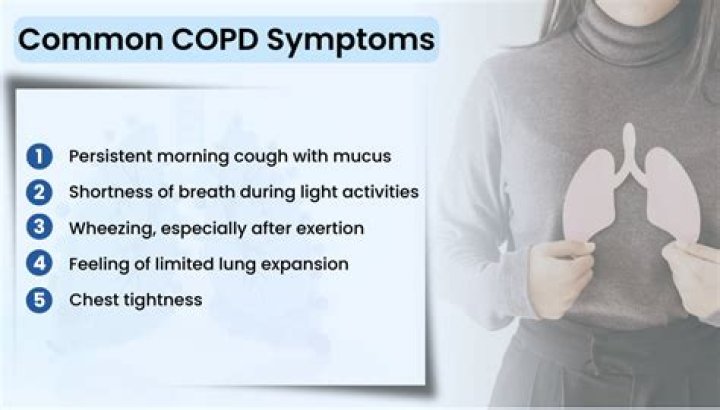
Getting a DiagnosisThe key symptoms of COPD are shortness of breath, a cough that doesn't go away, and a thick, often colored mucus (phlegm) that you cough up. Other symptoms, especially in later stages of the disease, may include: Tight feeling in chest. Less ability to stay active.
What does the start of COPD feel like?
It often starts with a nagging cough. It could be dry, or you might have mucus that's clear, white, yellow, or green. You may also find that you're short of breath sometimes, especially if you push yourself.Which is the most common symptom associated with COPD?
Common symptoms of COPD include:
- increasing breathlessness – this may only happen when exercising at first, and you may sometimes wake up at night feeling breathless.
- a persistent chesty cough with phlegm that does not go away.
- frequent chest infections.
- persistent wheezing.
What is the first stage of COPD?
When a person has stage 1 COPD, their symptoms may be so mild that they do not even realize that they have it. Over time, symptoms can include shortness of breath, chronic cough, and frequent respiratory infections. These will generally become more severe as the condition progresses.Recognize the early symptoms of COPD: Learn More Breathe Better
What can be mistaken for COPD?
Asthma is usually considered a separate respiratory disease, but sometimes it's mistaken for COPD. The two have similar symptoms. These symptoms include chronic coughing, wheezing, and shortness of breath.What are the 5 symptoms of COPD?
What Are COPD Symptoms?
- Chronic cough.
- Shortness of breath while doing everyday activities (dyspnea)
- Frequent respiratory infections.
- Blueness of the lips or fingernail beds (cyanosis)
- Fatigue.
- Producing a lot of mucus (also called phlegm or sputum)
- Wheezing.
What are the 4 main symptoms of COPD?
Symptoms of COPD include:
- Frequent coughing or wheezing.
- Excess phlegm or sputum.
- Shortness of breath.
- Trouble taking a deep breath.
Do you cough a lot with COPD?
COPD can cause your lungs to produce excess mucus, leading to frequent coughing. Not all coughs are effective in clearing excess mucus from the lungs. Explosive or uncontrolled coughing causes airways to collapse and spasm, trapping mucus.What are the 3 causes of COPD?
Common Causes of COPD
- Cigarette smoke: This is by far the most common reason people get COPD. ...
- Secondhand smoke: Even if you aren't a smoker, you can get COPD from living with one.
- Pollution and fumes: You can get COPD from air pollution.
Can you reverse mild COPD?
Myth 2: There's no treatment for COPD“We may not be able to reverse it, but we can control the symptoms and prevent further damage to the lungs.” It's important to quit smoking, eat a healthy diet, get plenty of exercise and keep up on your influenza and pneumonia vaccines to prevent serious illness.
Can I have COPD and not know it?
More than 11 million Americans have been diagnosed with chronic obstructive pulmonary disease (COPD), according to the American Lung Association. Another 12–24 million may have the condition without realizing it.Can you stop the progression of COPD?
COPD is a chronic and progressive disease. While it is possible to slow progress and reduce symptoms, it is impossible to cure the disease, and it will gradually worsen over time. Early diagnosis is key to finding the right treatment and slowing the disease before it starts to progress.Is COPD cough wet or dry?
One of the most common symptoms associated with COPD is cough, which can severely impact a person's quality of life. A COPD-related cough is often productive, which means the person coughs up sputum or phlegm. However, some people with COPD may have a dry cough.Do you have phlegm with COPD?
Getting a DiagnosisThe key symptoms of COPD are shortness of breath, a cough that doesn't go away, and a thick, often colored mucus (phlegm) that you cough up. Other symptoms, especially in later stages of the disease, may include: Tight feeling in chest.
What color is COPD sputum?
1) Signs and symptoms of COPDThe colour of your spit or phlegm may change from frothy and white to slightly yellow or green if you have a chest infection. Breathlessness occurs on most days which can be worse on exercise and during chest infections.
What is mild COPD?
Mild COPD is defined by a post-bronchodilator FEV1 that is 80% of predicted or greater in the presence of an FEV1/FVC ratio of less than 70% and characteristic symptoms such as exertional dyspnea in most cases (Celli and MacNee 2004; Rabe et al 2007).Can you have COPD without cough?
Key symptoms of emphysema include chronic shortness of breath and a cough. The cough may or may not produce mucus. But an individual with COPD may display other symptoms of COPD without having a cough.What is the 6 minute walk test for COPD?
The 6-minute walk test for COPD is a simple way to test how your heart and lungs respond to light exercise. During the test, you'll be monitored while you walk at your usual pace for 6 minutes. The results might lead to more testing or to a treatment plan.Does drinking water help with COPD?
Drinking enough water can thin the mucus and make it much easier to cough up. This clears the lungs and makes it easier to breathe. Drinking enough water can also help COPD patients fight off infections.How fast does mild COPD progress?
People with COPD may notice their cough and breathing improve within 1 to 9 months. When people quits moking, they experience the following bodily changes, according to the Canadian Lung Association: After 8 hours of being smoke-free, carbon monoxide levels are half those of a smoker.What foods should be avoided with COPD?
Foods and Ingredients to Avoid if You Have COPD
- Sodium. For people with chronic obstructive pulmonary disease, fluid retention is an uncomfortable but common issue. ...
- Certain Fruits and Vegetables. ...
- Dairy Products. ...
- Caffeine. ...
- Fried Foods. ...
- Alcohol.