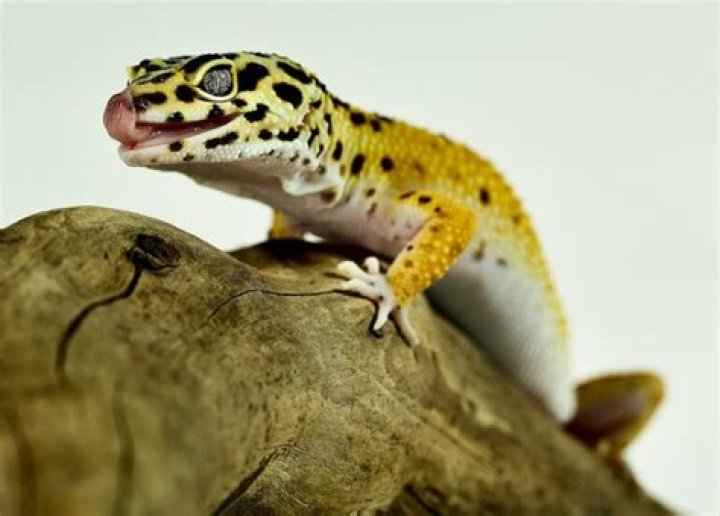
Why is my leopard geckos nose red?
 Emma Newman
 Why is my leopard geckos nose darker?
The most common reasons for a leopard gecko to get darker are stress, temperature imbalance, and shedding. There could be several other reasons. Checking and correcting the tank setup can help figuring out and fixing the problem quickly. Usually, your leopard gecko turning darker is not a sign of a major issue.How do I know if my leopard gecko is dying?
A dying leopard gecko will show signs of extreme weight loss, abnormality or even lack of droppings, lethargy, sunken eyes, and lack of appetite. Very often, the most fatal sign is lack of appetite because it signifies that your leopard gecko is ill, impacted, or just waiting for its death.What are signs of an unhealthy leopard gecko?
Clinical signs include stuck sheds, anorexia, lethargy, reluctance to move, misshapen limbs, soft mandible and maxillae, kyphoscoliosis and inability to raise their body off the ground. Treatment generally takes several months so make sure the owner is committed.What does it mean when a gecko turns red?
Mood-related color changeCrested geckos can also fire up (change color) depending on their mood. Stress, fear, and aggressive behavior can cause a crested gecko to fire up. The stress and fear can be caused by a new environment, shipping, handling, bad living conditions, overpopulation, or even breeding.
Arya’s Vet Trip | Leopard Gecko Nasal Plug
How do I know if my leopard gecko is healthy?
Let's take a look at the most common signs that your leopard gecko is healthy, and therefore happy.
- He is active. The first sign that your leopard gecko is happy is that he is active. ...
- He reacts to movements and being touched. ...
- His movements are smooth. ...
- He eats a lot. ...
- He has a healthy sleep cycle.
How often should my leopard gecko poop?
So, how often should you expect your leopard gecko to poop? Hatchling and juvenile leopard geckos may poop several times a day, where adult leopard geckos may poop once every few days. Age, metabolism, and amount of food consumed will all affect how often a leopard gecko poops.How can I tell if my leopard gecko is dehydrated?
Signs of Dehydration
- Skin becomes wrinkled, dry and has a puckered appearance.
- Skin loses its elasticity.
- Lethargy and weakness.
- Trouble shedding.
- Constipation or infrequent defecation.
How do I know if my leopard gecko is stressed?
How can you tell if your leopard gecko is stressed? Common signs of stress in leopard geckos are: decreased appetite, weight loss, excessive hiding, glass swimming, and tail waving. Improper setup and poor handling are the root cause of most stress factors.Is my leopard gecko cold?
Some owners get anxious because their leopard gecko is cold to the touch. The thing is, leopard geckos are cold blooded lizards and are ecotherms. This means that they depend on outside heat to stay warm. Unless your leopard gecko was laying in the hot spot, it might feel cold to you when you pick it up.Can you overfeed leopard geckos?
Over feeding your Leopard Gecko can cause it to regurgitate its food and may cause lethargy. If you notice any of these issues with your Leopard Gecko, you should cut back on the amount of food you feed it and make sure not to feed it fatty insects (like Waxworms and Butterworms).What is a leopard geckos lifespan?
A leopard gecko can grow to around 15 to 25 centimetres and live for 10 to 20 years in captivity, so owning one is a big commitment. They prefer to live alone but can become used to being handled if done so carefully.Do leopard geckos need UVB at night?
Contrary to some myths, daytime lighting is just as important to leopard geckos as nighttime darkness. Another common debunked myth is that they do not need UVB. Lighting helps to keep your lizard's internal clock correct, provides them with warmth, and simulates their natural behaviors.How many mealworms should I feed my leopard gecko?
Baby Leopard Geckos should be fed 5-7 small crickets or mealworms every day until they reach about 4 inches. Larger food should be offered every other day until they become full grown in about 10-12 months. Adults can be fed 6-7 large crickets or mealworms 2 to 3 times a week.Why is my leopard gecko turning orange?
Your leopard gecko is stressedMany factors might cause stress in your leopard gecko, like the ambient temperature of their aquarium being too high or low, a change in their diet, or the leopard gecko being handled too much for its liking.
How do I know if my leopard gecko has parasites?
Internal parasites in geckosSymptoms include regurgitation/vomiting, loss of weight/condition (often geckos' tails become much thinner if they have parasites as it's one of the places they store fat) loss of appetite and lethargy.